RebeccaGutters and ridge repairs · 2026-10-14
Very good guys cleaned out my gutters and repaired my ridge system
Google reviewRead it on Google →
Two quick steps. William and the team call you back to book a free roof inspection.
Rather talk? Call 01865 537891
Fast, reliable Oxford roofers for homes and businesses, fixing leaks, storm damage, slipped tiles and the valleys and chimneys on terrace roofs across Jericho, Headington and Cowley. Every job starts with a free survey and written quote from our own team. 24/7 emergency call-out.
Rated 4.9 on GoogleFree written quote. No obligation.
20 year guarantee, issued in writing.
 Expert Roofer Verified member
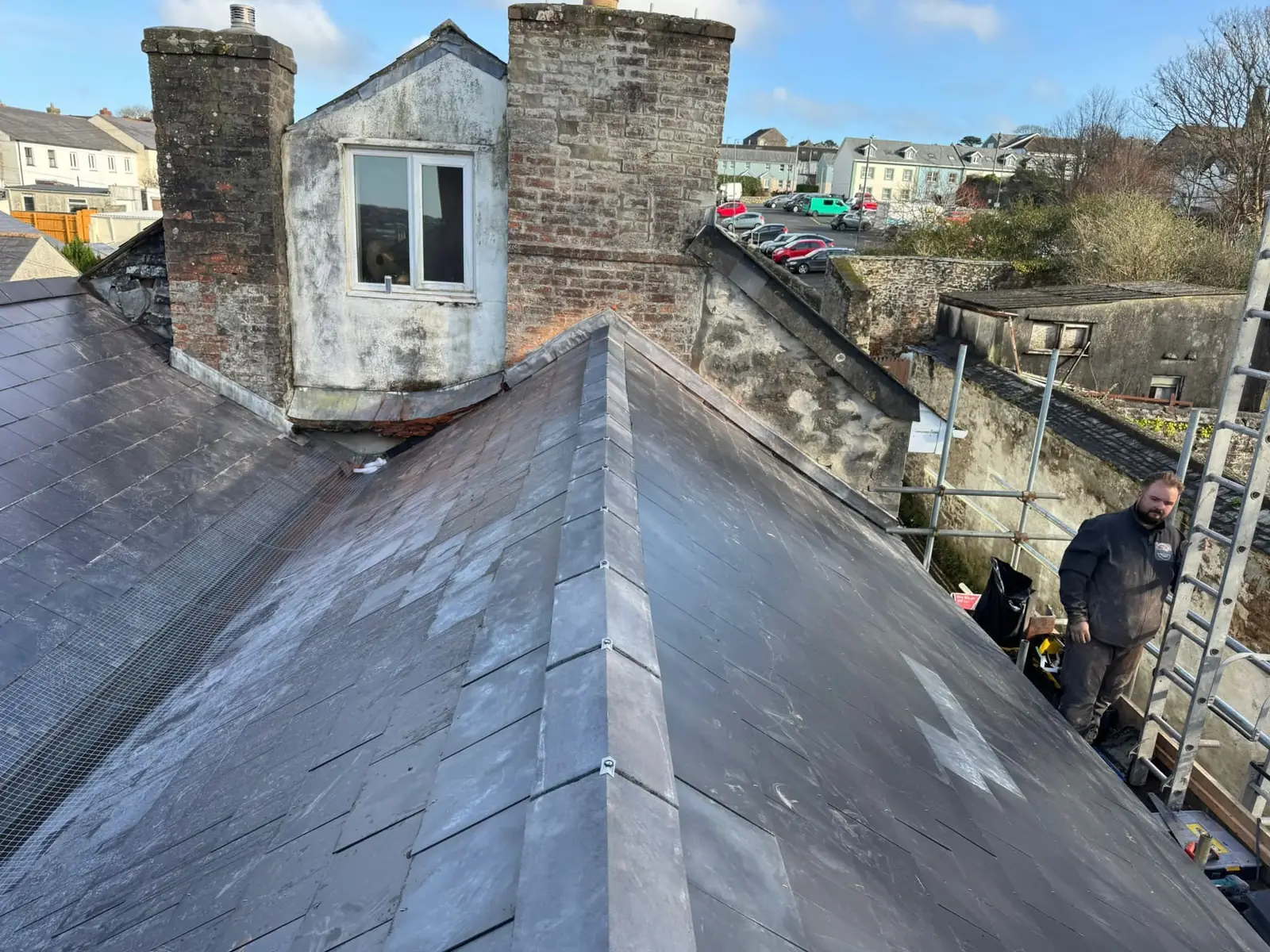
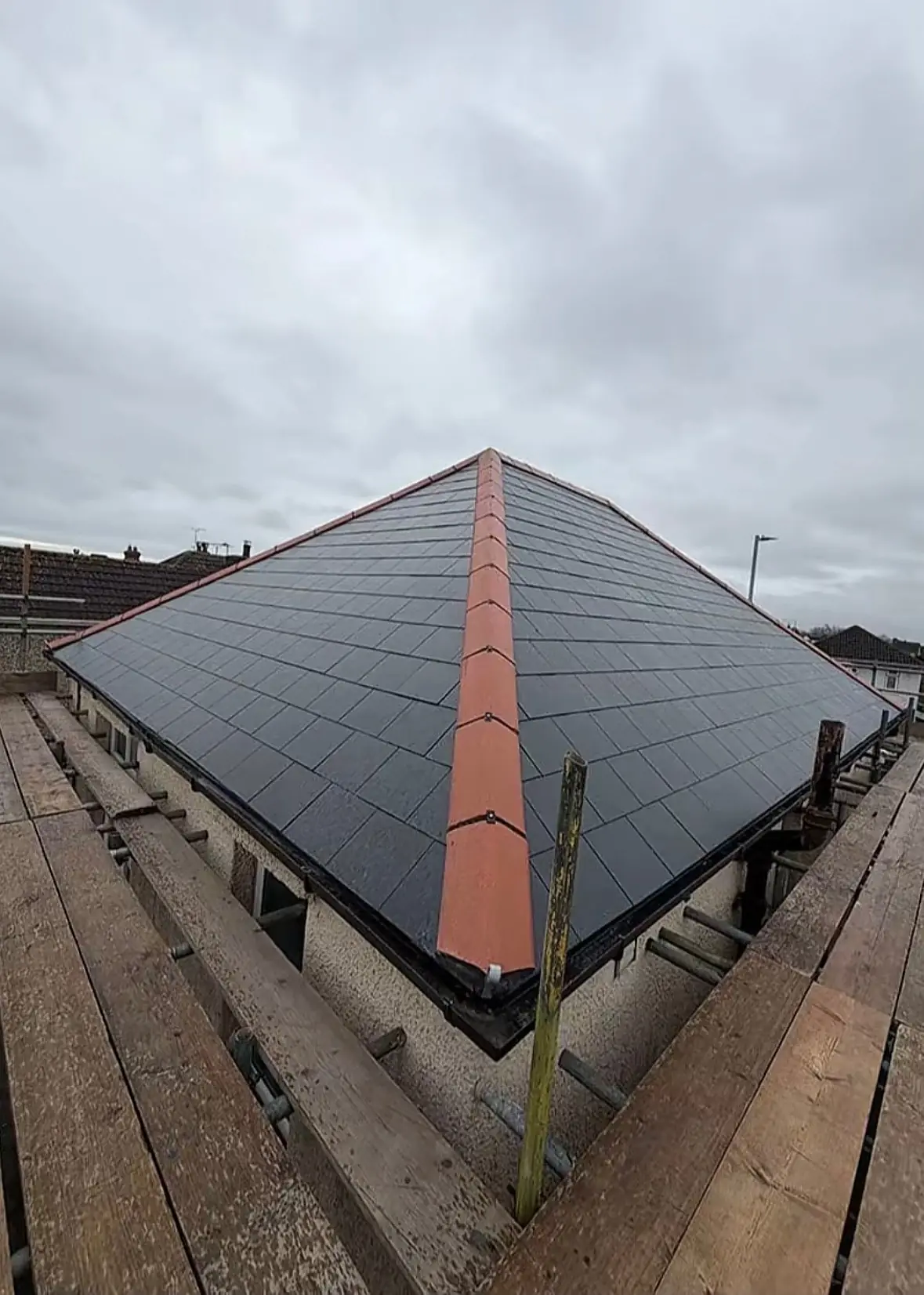
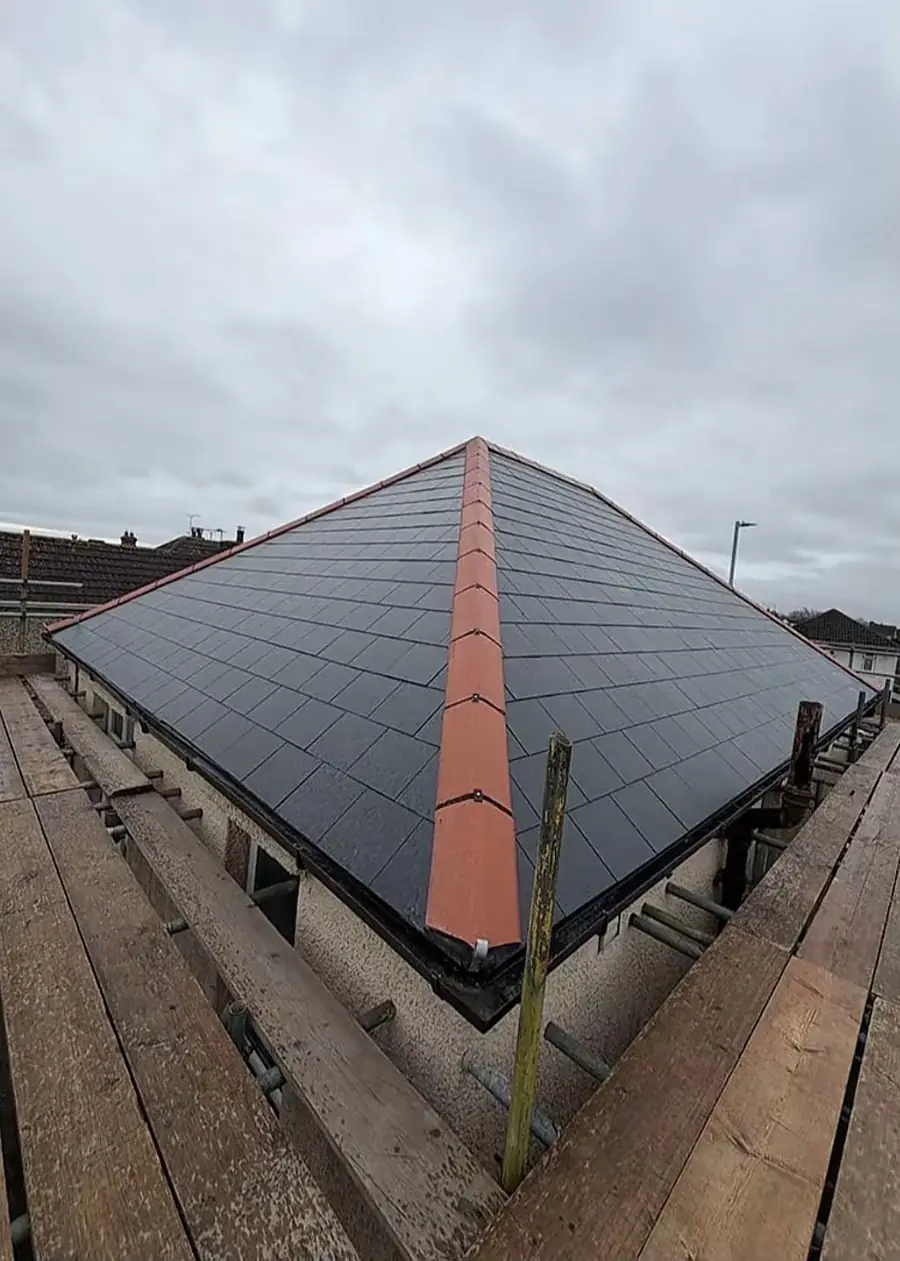
See the work in detail: Slate re-roof in Oxford, Bungalow re-roof in the Oxford area.
We cover Jericho, Headington and Cowley, in Oxfordshire. Postcode areas include OX1, OX2, OX3 and OX4. Tell us whether access is from the street, a side passage or a rear garden. On a terrace, a valley or chimney close to the neighbouring roof is useful to show in a wider photo.
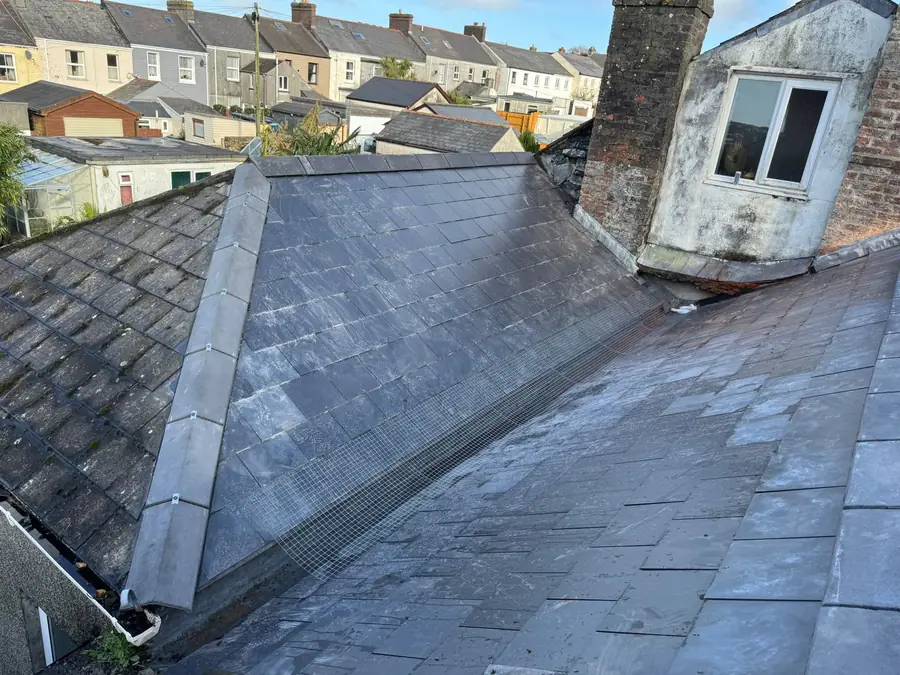
Oxford-area job photos include slate valleys between dormers and a bungalow re-roof with dry ridge, soffits and gutters.
Oxford’s housing changes from one district to the next. Jericho, Grandpont and the streets off the Cowley Road and Iffley Road are lined with Victorian terraces, many still under natural slate, with chimneys shared between neighbours and valleys over the rear additions. Summertown and north Oxford have larger Victorian and Edwardian houses with plain clay tiles, bays and steep gables.
Headington, Marston and Botley are mostly 1930s semis and post-war houses with concrete or clay tiles and hipped roofs. Blackbird Leys, Rose Hill, Barton and Littlemore have post-war and later estates with concrete interlocking tiles, flat-roofed garages and extensions. Each type fails in its own way, and the survey starts from what your street was built with.
Oxford sits low between the Thames and the Cherwell, so damp air and river mist hang over the city through the winter. North-facing slopes and roofs under the big trees of north Oxford and Headington stay wet for longer, which feeds moss and blocks gutters. South-westerly storms drive rain under slates and ridges on the more exposed rows at Headington and Botley.
Many Oxford terraces have no side access and parking is tight, so we plan scaffold and skip positions before the job starts. Scaffold on a public pavement needs a licence from Oxfordshire County Council, and that goes into the plan for any front-elevation work. Jericho, Headington Hill and central Oxford include conservation areas where like-for-like materials matter, so slate and tile choices are discussed with that in mind.
Two of our case studies are Oxford jobs: a slate terrace re-roof with a new valley between two dormers, and a bungalow re-roof in the Oxford area with new soffits and gutters.
Read our customers’ Google reviews, word for word.
Very good guys cleaned out my gutters and repaired my ridge system
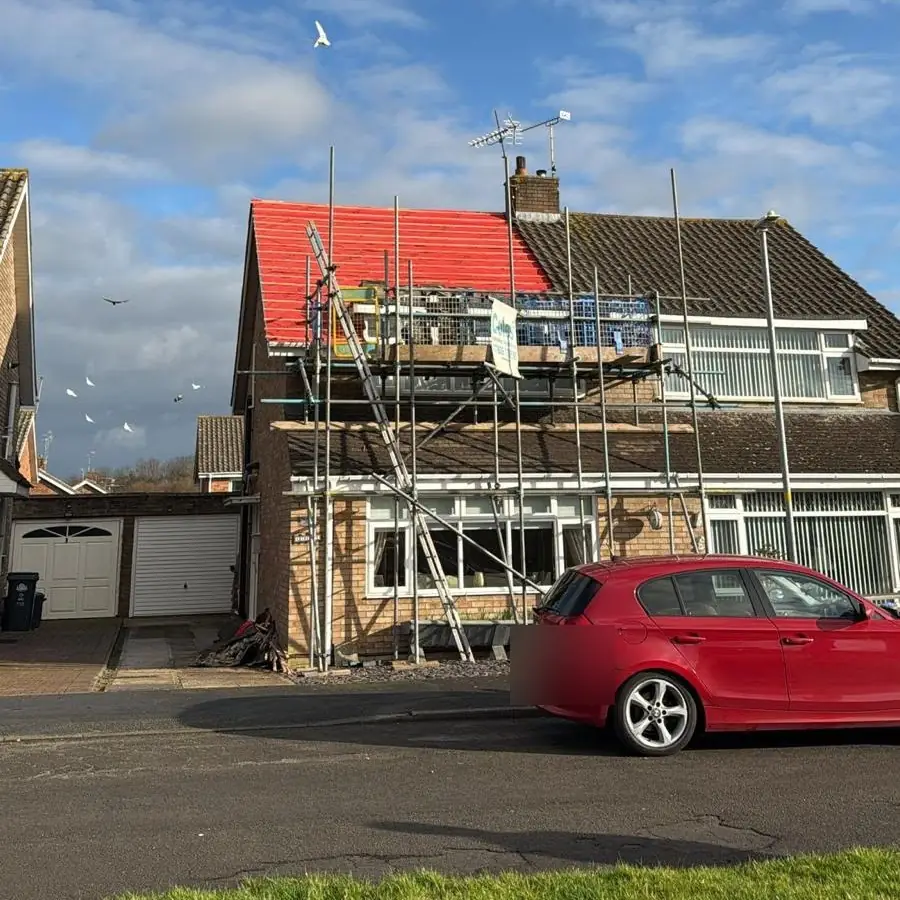
the guys from all roofing experts came out last week after the storm to give me a quote which i was happy with as had shopped around for qoute, they done a quick temp repair on the side Leanto on the house to get me out of trouble for a few day as the forecast was alot of rain, they came back a couple of days later with the Materials & had it done in a day , new roof & gutters, will Highly Recommend to anyone.
Had a new roof fitted with these guys extremely good work carried out fairly priced really recommend them
Job photos from our library. Locations are shown where recorded.
William runs All Roofing Experts Ltd, based at 21 Butterwyke Place in Oxford. You get 12 years' experience and our own trusted tradespeople, with no subcontracting.
From urgent repairs to complete re-roofing, your next step is a free survey and written, no-obligation quote.
Yes. We cover Oxford in Oxfordshire. Send your postcode and the roofing work you need for a free written quote.
Send your postcode, a description of the roofing problem and photos taken from a safe position. Tell us about access to the affected part of the roof.
Yes. Our Oxford slate re-roof was a terrace with two dormers, chimneys and a valley between them, with new felt, new battens and a dry ridge.
We need space for the pickup and materials close to the house. On permit-parking streets in central and east Oxford, tell us at the survey so the arrangements are made before the work starts.
Yes. You get a free survey and a written, no-obligation quote before you decide to go ahead.
William Stokes runs All Roofing Experts Ltd. Our own trusted tradespeople carry out the work, with no subcontracting.
We offer a 20 year guarantee, issued in writing on completion. Repairs have a 12 month guarantee as standard and major structural repairs have a 5 year guarantee.
Get a free written quote from William and the team. No obligation.
Chat to us on WhatsApp
Message William straight from your phone and send a photo of the roof.
Let's chat on WhatsApp