RebeccaGutters and ridge repairs · 2026-10-14
Very good guys cleaned out my gutters and repaired my ridge system
Google reviewRead it on Google →
Two quick steps. William and the team call you back to book a free roof inspection.
Rather talk? Call 01865 537891
Long-lasting new roofs in Oxford for homes and businesses, rebuilt with new membrane, battens and your choice of tiles or slate. Every re-roof starts with a free survey and written quote. 20 year guarantee, in writing.
Rated 4.9 on GoogleFree written quote. No obligation.
20 year guarantee, issued in writing.
 Expert Roofer Verified member
Related roofing work: Flat roofs, Roof repairs, Emergency roof repairs, Slate roofs, Tiled roofs, uPVC fascias and soffits, Gutter repairs, Moss removal.
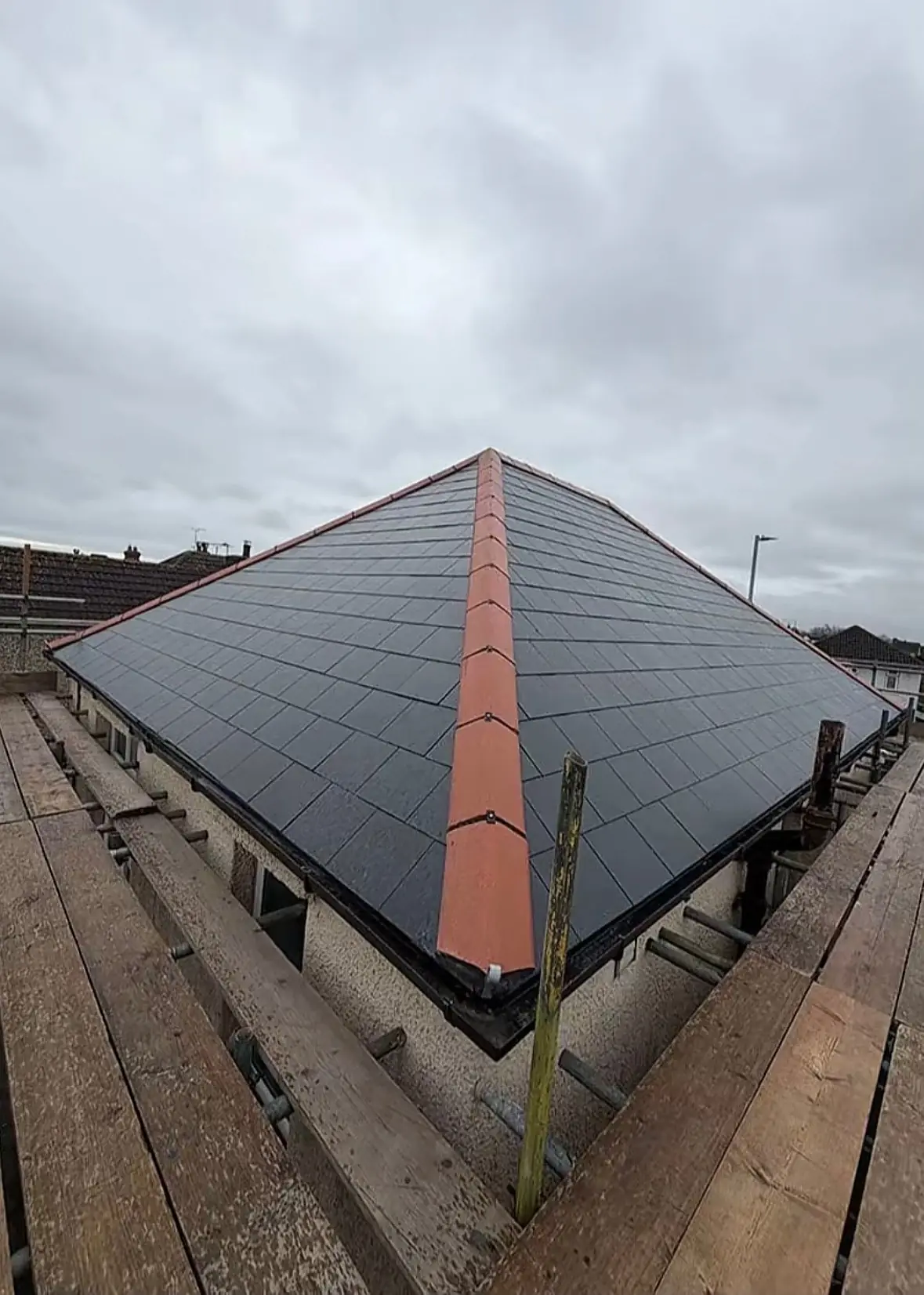
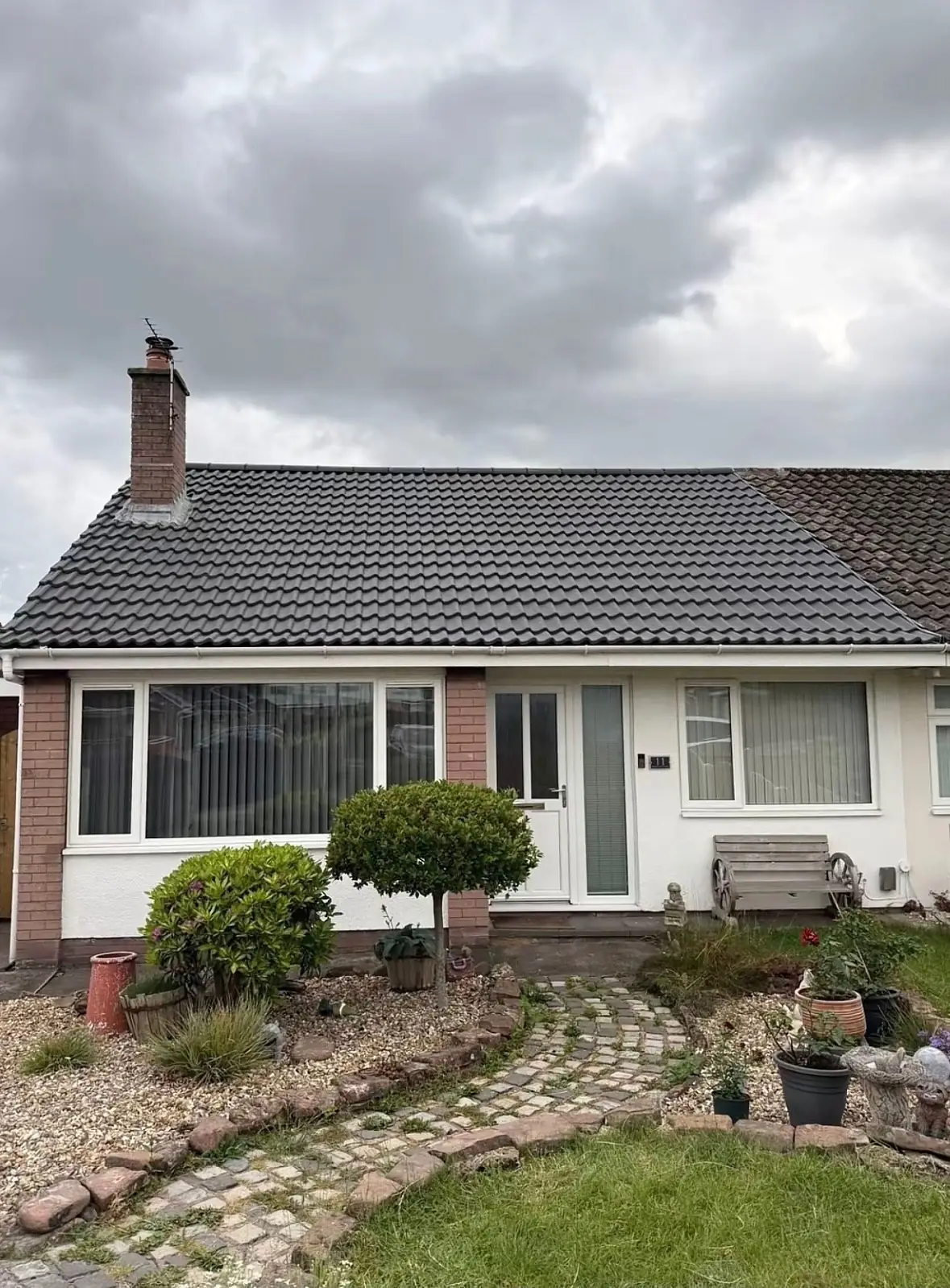
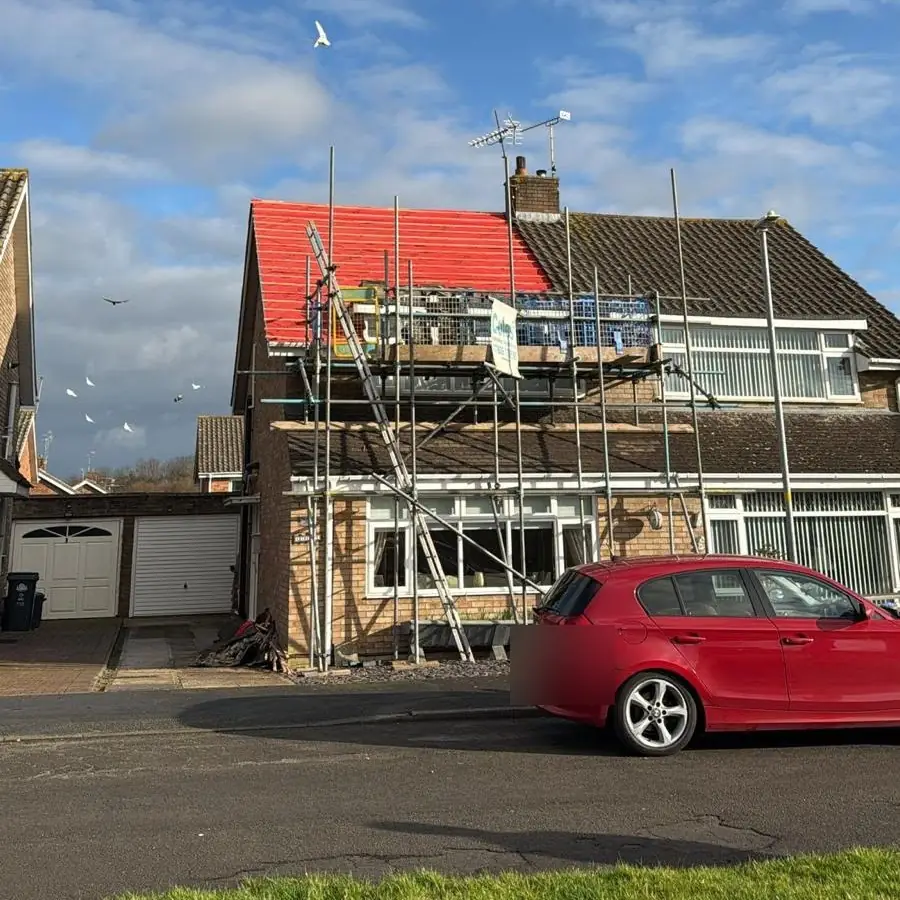
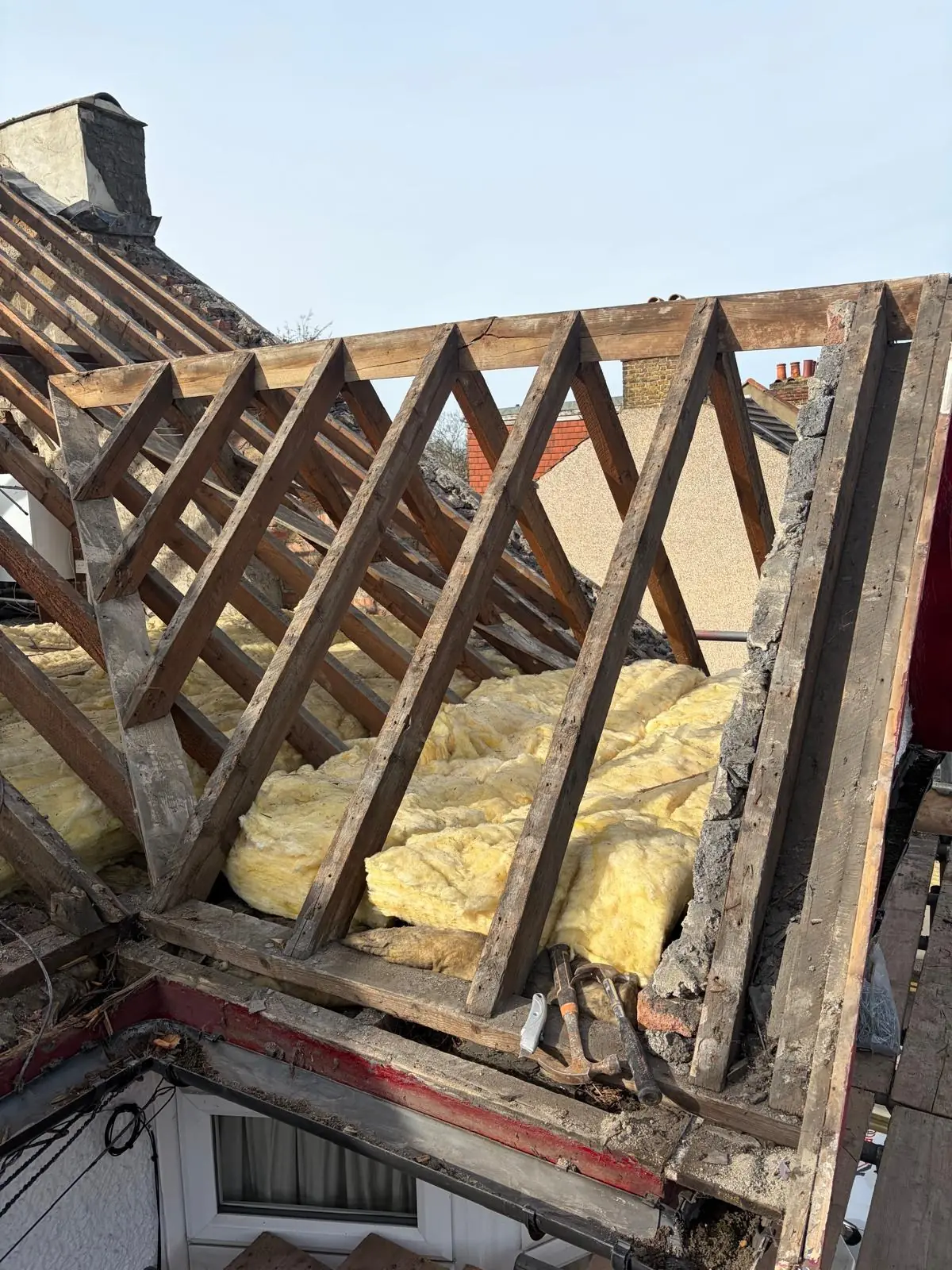
See the work in detail: Slate re-roof in Oxford, Bungalow re-roof in the Oxford area, Roof replacement in the Abingdon area, Re-roofing in the Reading area.
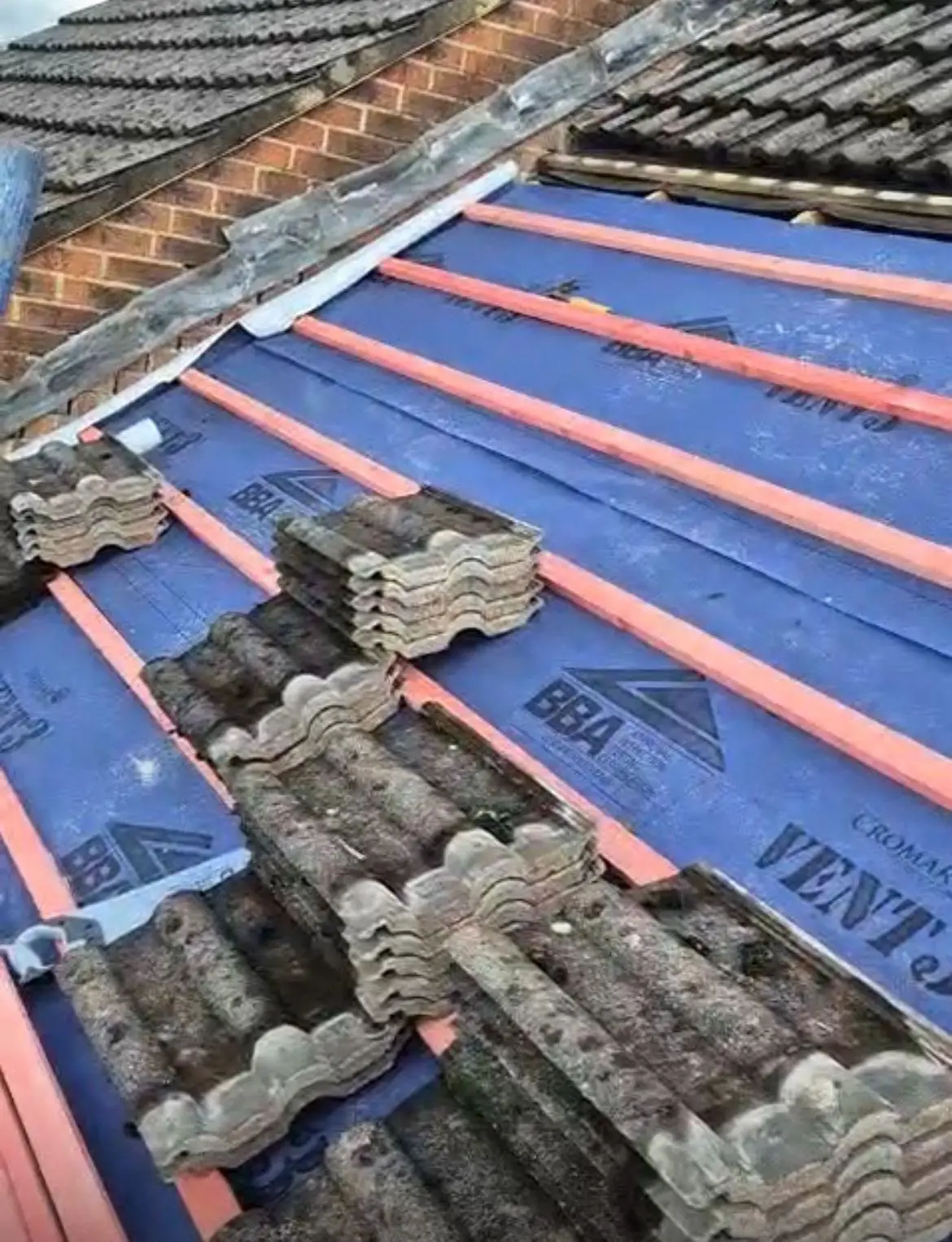
A roof replacement is your chance to deal with the layers beneath the covering. Our re-roofs go back to the rafters: old covering off, new membrane and battens on, then tiles or slate and a finished ridge. Your survey sets out exactly what your roof needs before you choose to go ahead.
Ask for the roof covering, supporting work, scaffold access and roofline work to be listed in your written quote. You can discuss tiles or slate alongside the condition of the existing timbers. William and the team use their own tradespeople, with no subcontracting.
Our pitched re-roof guide is £2,500 to £11,500. Roof size, access and the work beneath the covering affect the price. Read the new roof cost guide, then book your free survey for a written price for your property.
Most re-roofs on a house or bungalow take days rather than weeks once the scaffold is up. The roof size, the number of hips, valleys and chimneys, the weather and any timber work set the pace. Ask for the expected number of working days to be written on your quote so you can plan around it.
See the new roof cost guide for what moves a quote up or down our price range.
Keep the gutters clear each autumn so rainwater leaves the new roof the way it was designed to. After a big storm, look along the ridge and verges from the ground. If anything looks out of place, send us a photo and quote your written guarantee.
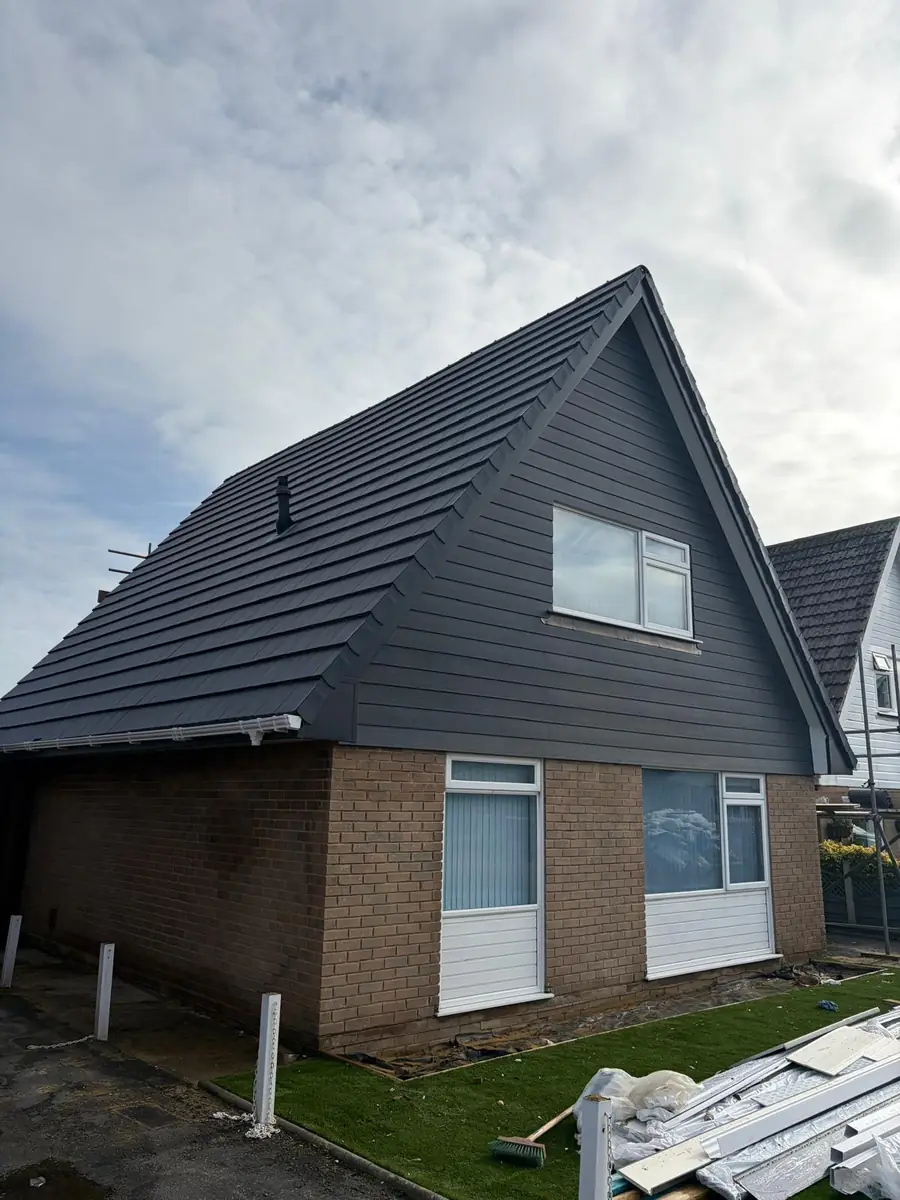
Full roof replacement with dry ridge, dry verge, soffits and gutters.
Read the case study →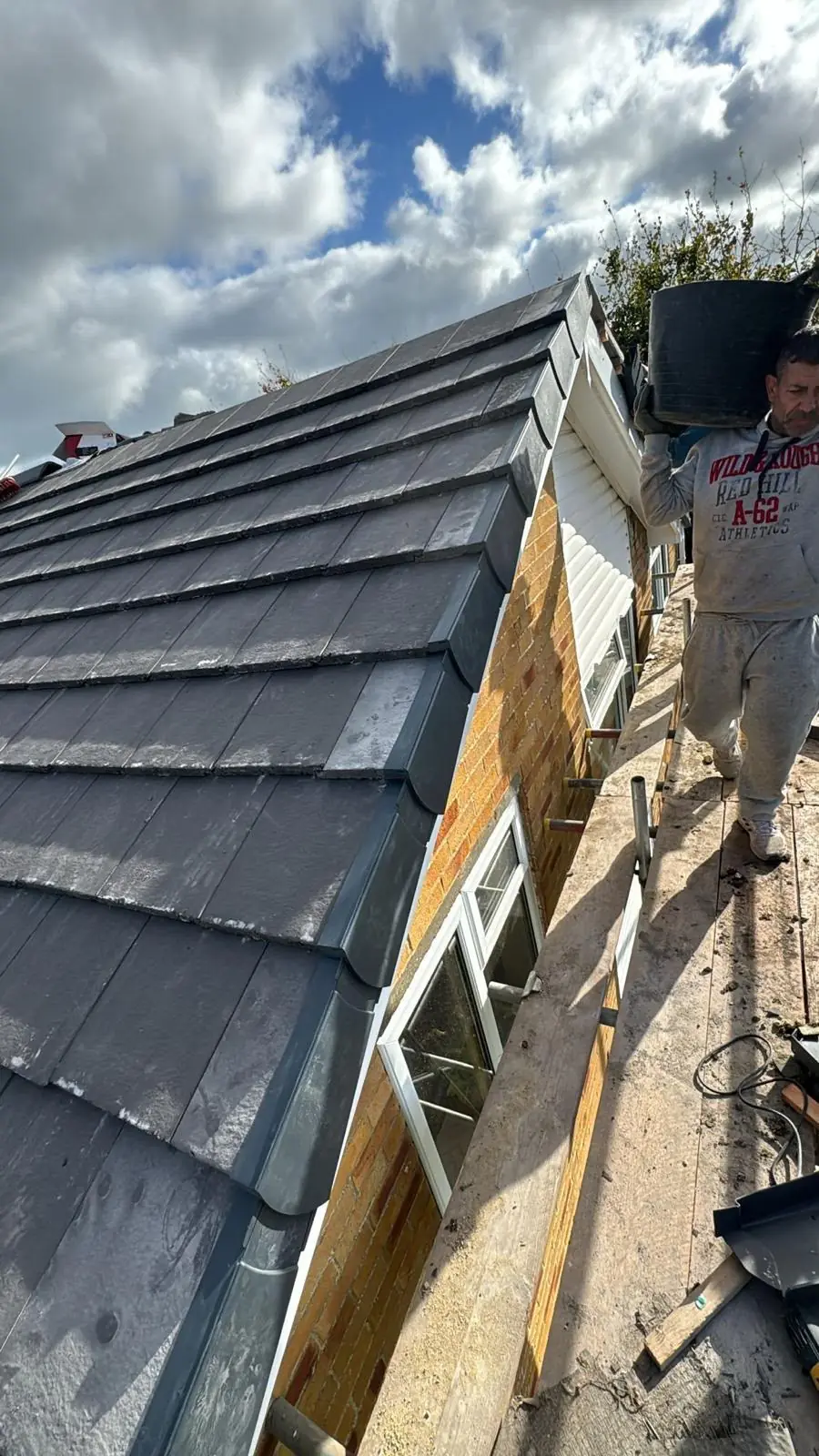
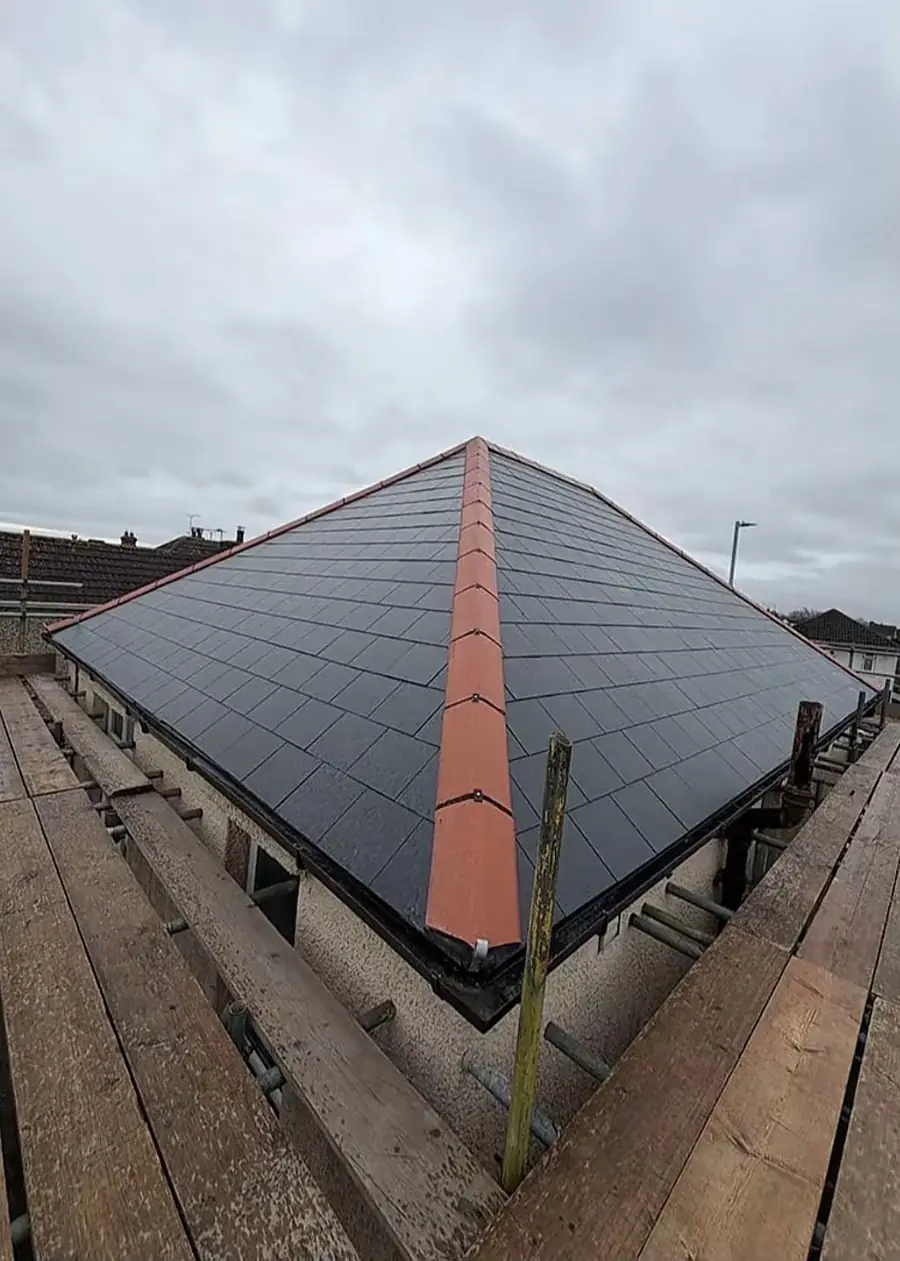
New felt, battens, tiles, dry ridge and dry verge.
Read the case study →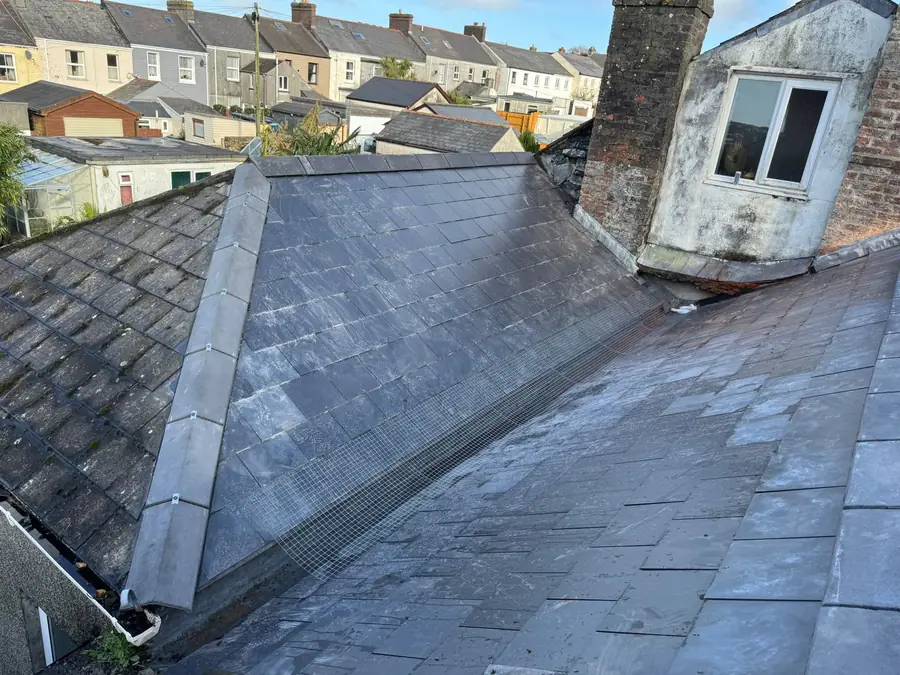
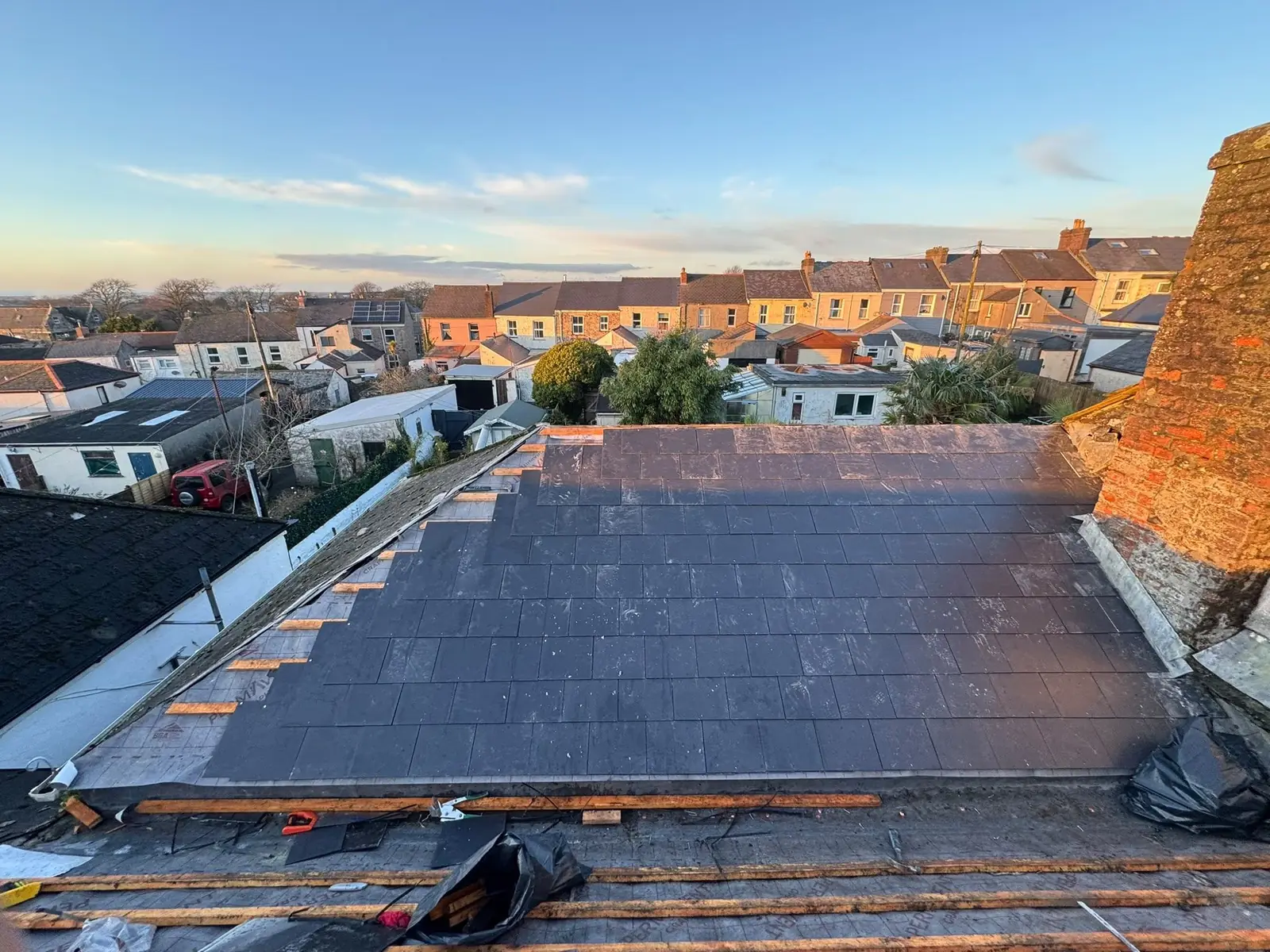
Slate terrace roof with dormers, chimneys and a new valley.
Read the case study →Read our customers’ Google reviews, word for word.
Very good guys cleaned out my gutters and repaired my ridge system
the guys from all roofing experts came out last week after the storm to give me a quote which i was happy with as had shopped around for qoute, they done a quick temp repair on the side Leanto on the house to get me out of trouble for a few day as the forecast was alot of rain, they came back a couple of days later with the Materials & had it done in a day , new roof & gutters, will Highly Recommend to anyone.
Had a new roof fitted with these guys extremely good work carried out fairly priced really recommend them
Job photos from our library. Locations are shown where recorded.
William runs All Roofing Experts Ltd, based at 21 Butterwyke Place in Oxford. You get 12 years' experience and our own trusted tradespeople, with no subcontracting.
From urgent repairs to complete re-roofing, your next step is a free survey and written, no-obligation quote.
Choose your town for local information and links to the roofing work you need.
Yes. We carry out roof replacements alongside gutter, fascia and soffit work. Tell us which parts you want included in your written quote.
Our price guide is £2,500 to £11,500 for a pitched re-roof. Your free survey leads to a written quote for the work needed.
Like-for-like re-roofing on a house rarely needs planning permission. Listed buildings and some conservation areas in Oxford have rules on materials, so check with the council if your home sits in one. We talk through the covering options at your survey.
Sound slates and tiles can be set aside and reused, which helps match a period roof. Broken, flaking or porous ones are replaced. Your survey records which approach suits your roof.
Yes. You get a free survey and a written, no-obligation quote before you decide to go ahead.
William Stokes runs All Roofing Experts Ltd. Our own trusted tradespeople carry out the work, with no subcontracting.
We offer a 20 year guarantee, issued in writing on completion. Repairs have a 12 month guarantee as standard and major structural repairs have a 5 year guarantee.
Get a free written quote from William and the team. No obligation.
Chat to us on WhatsApp
Message William straight from your phone and send a photo of the roof.
Let's chat on WhatsApp